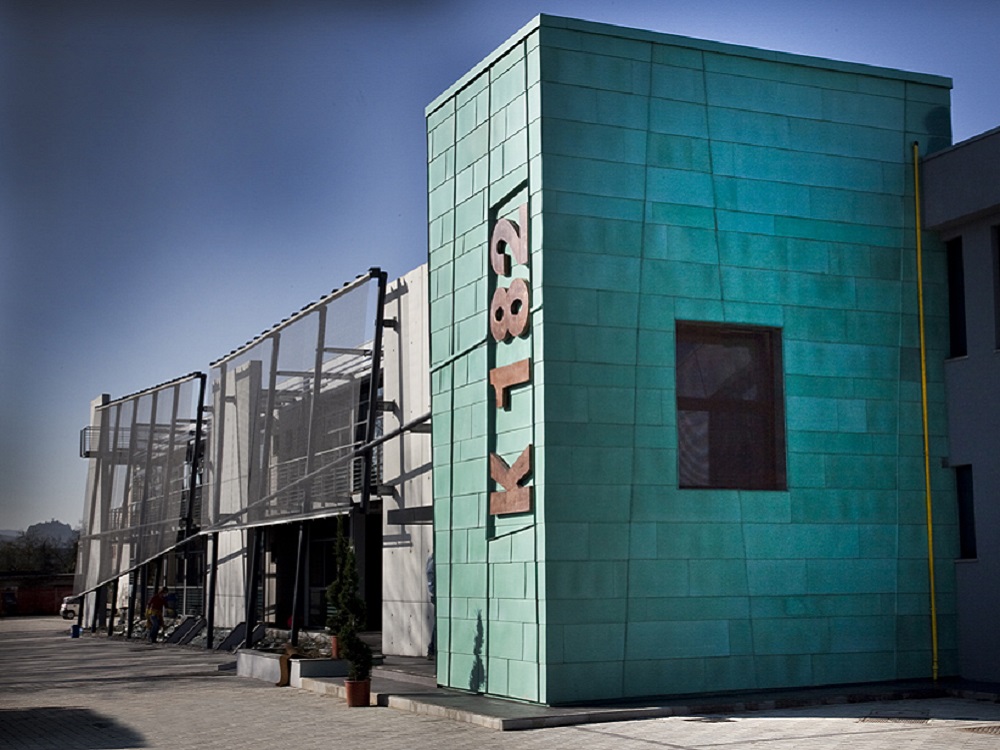
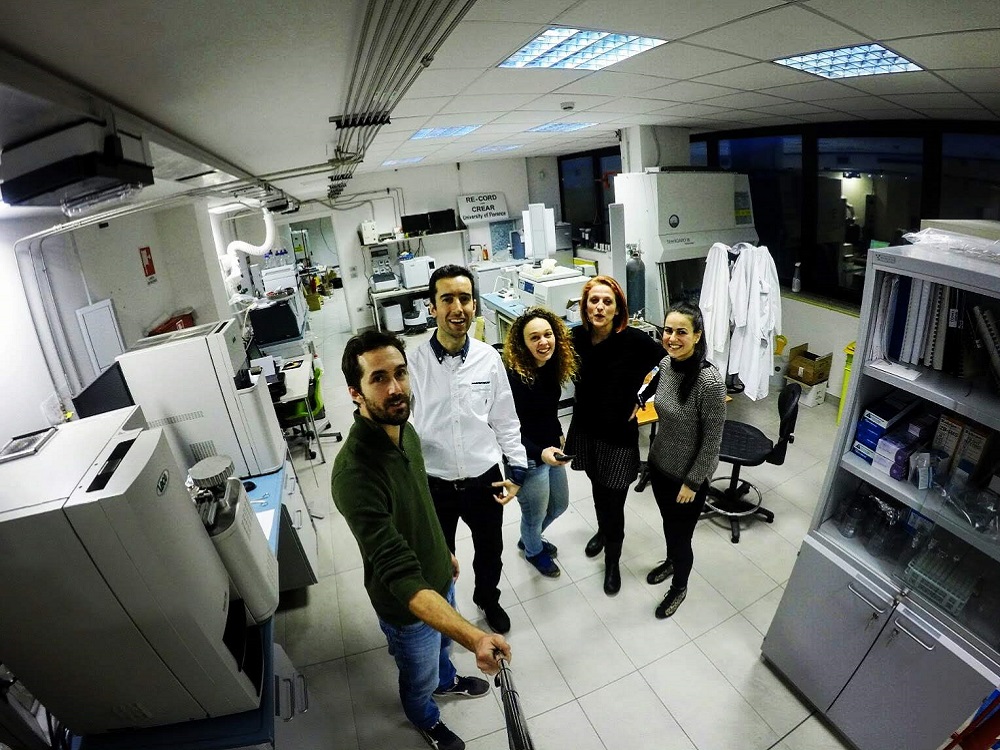
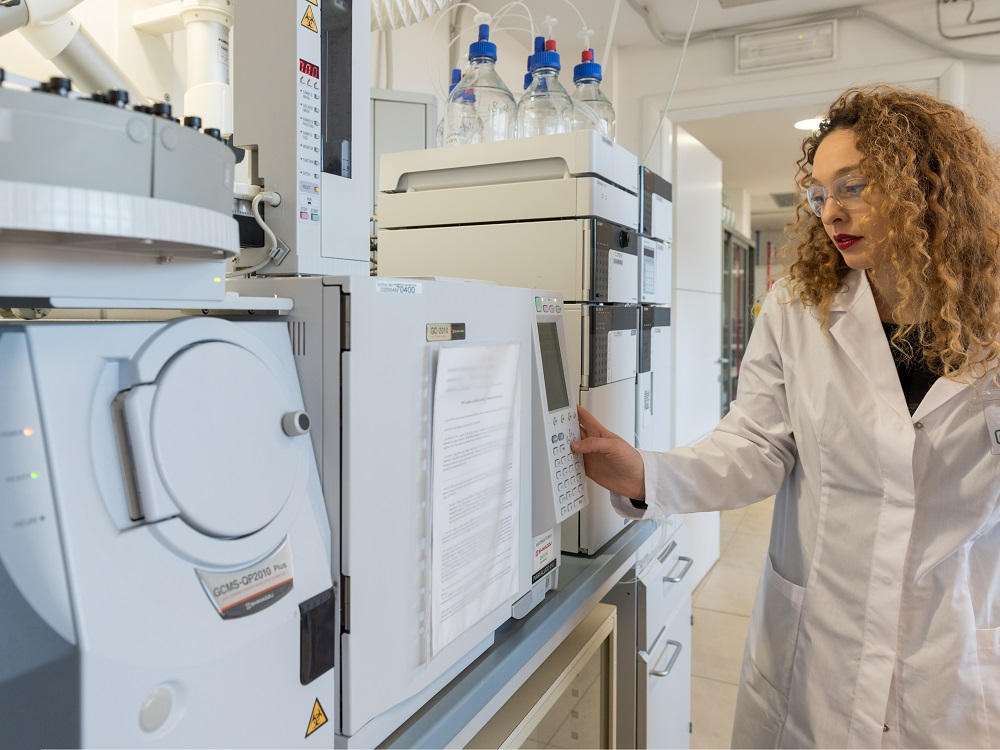
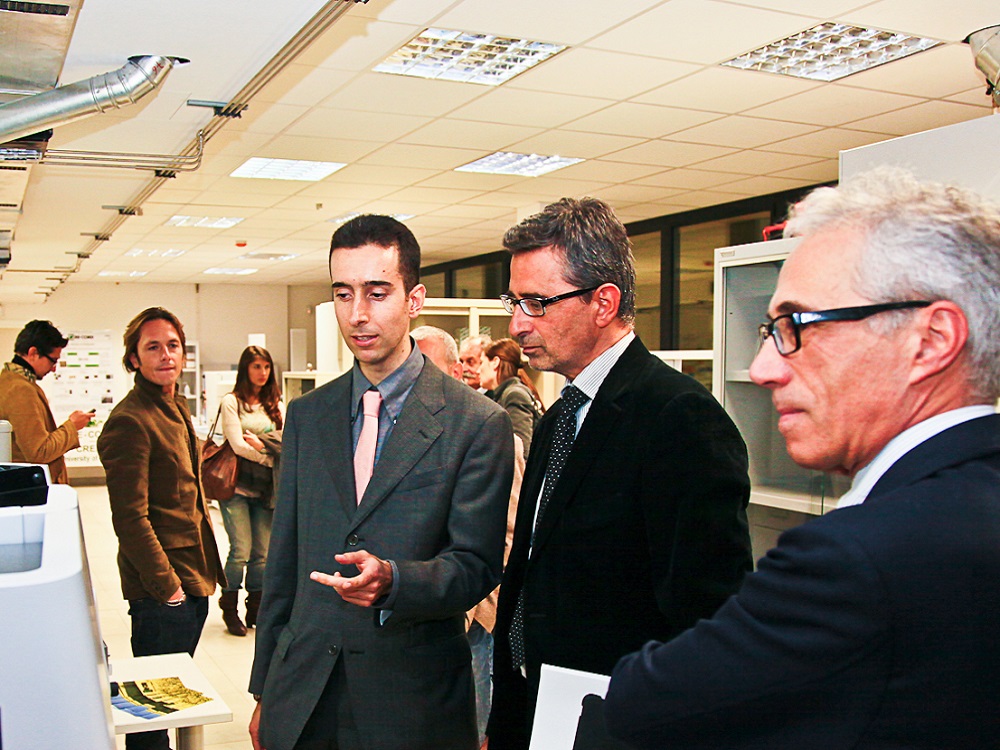
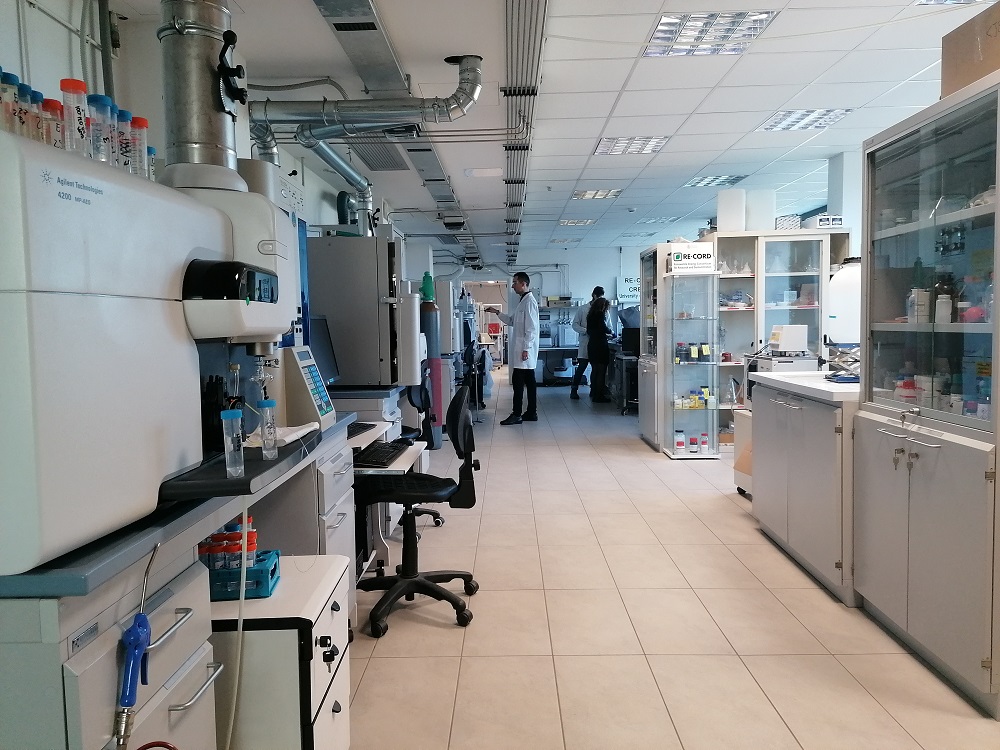
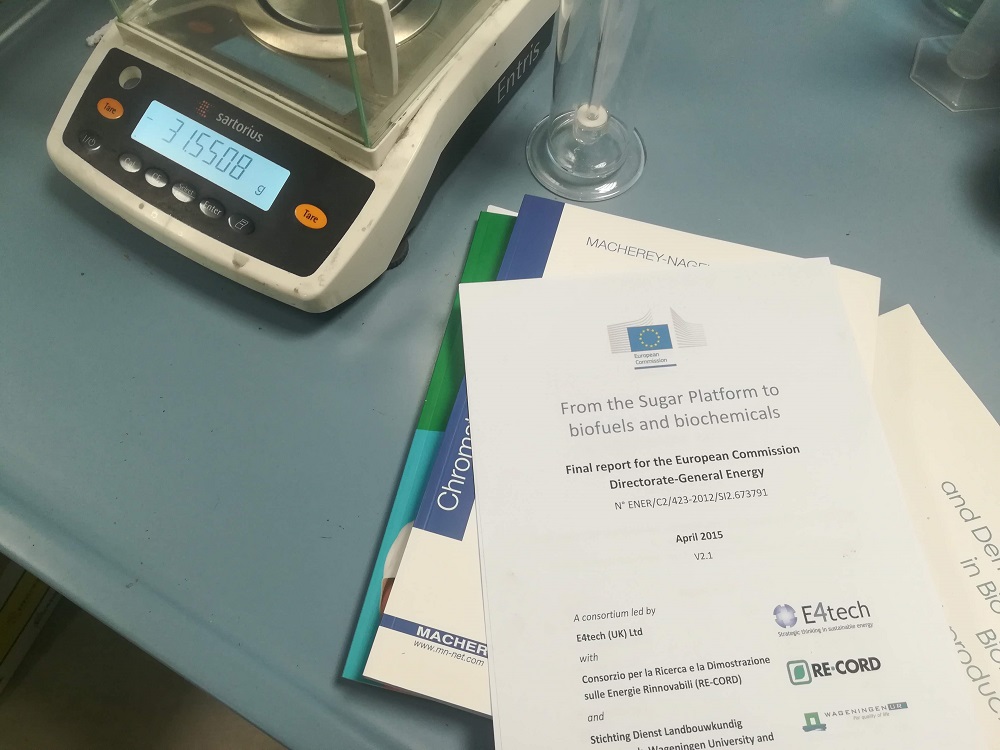
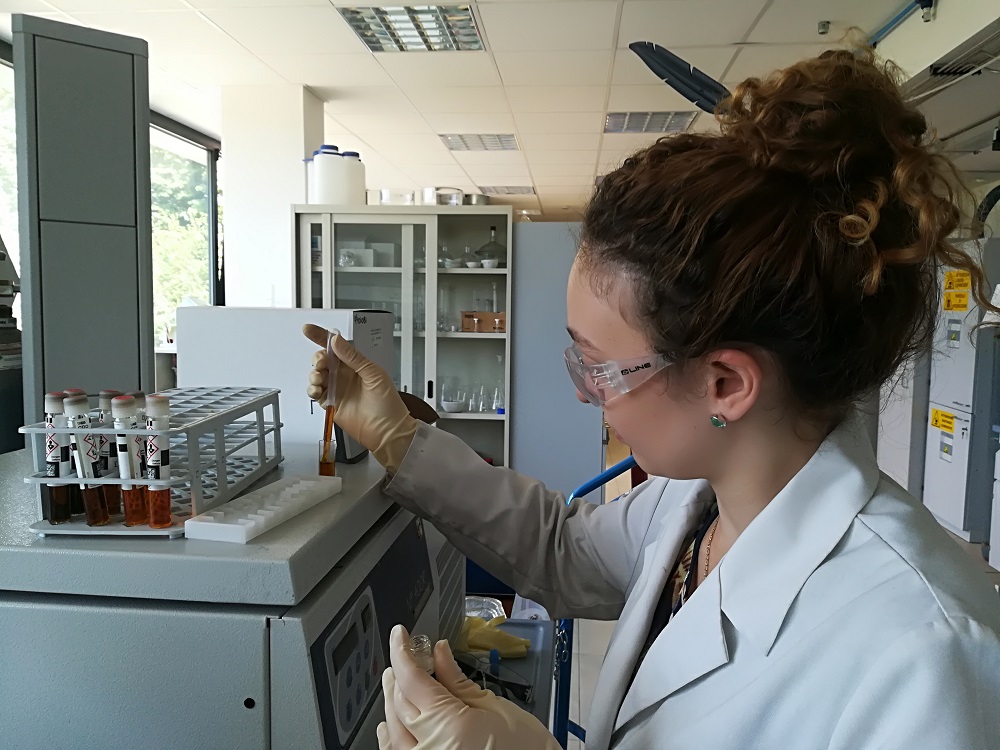
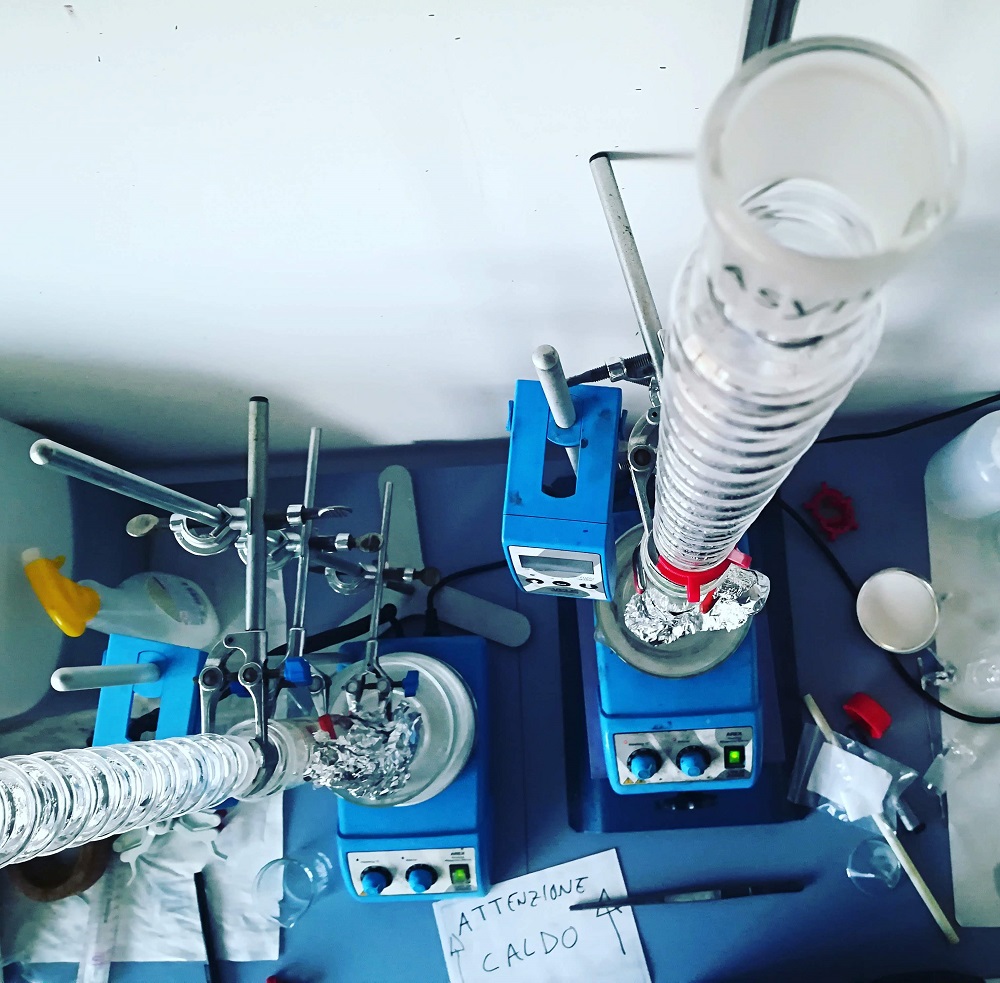
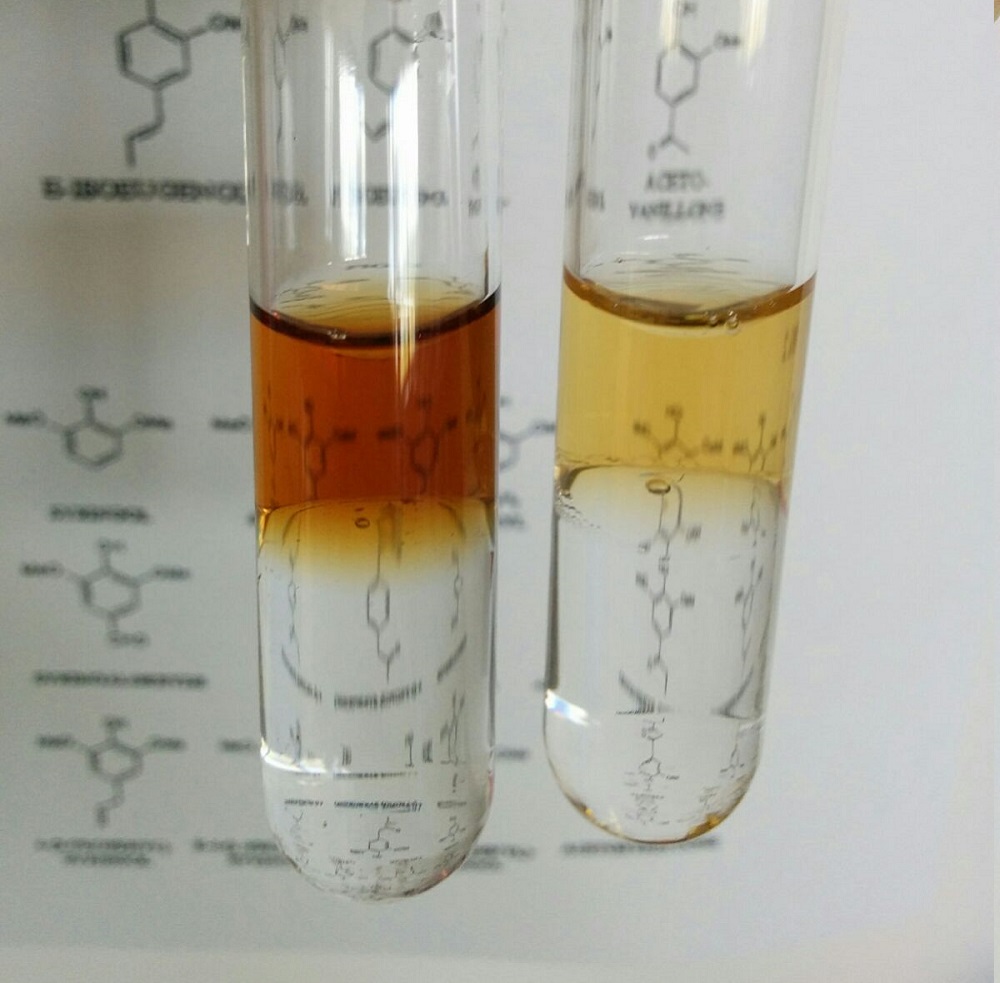
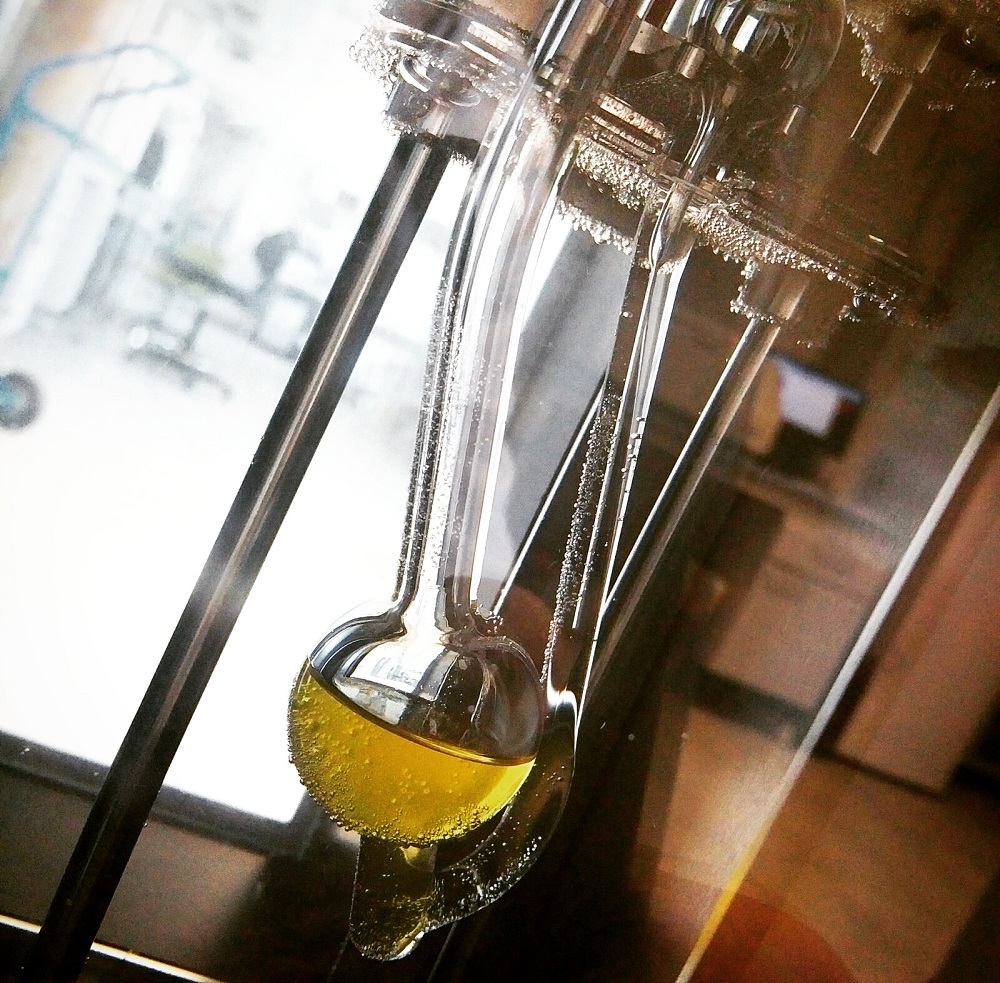
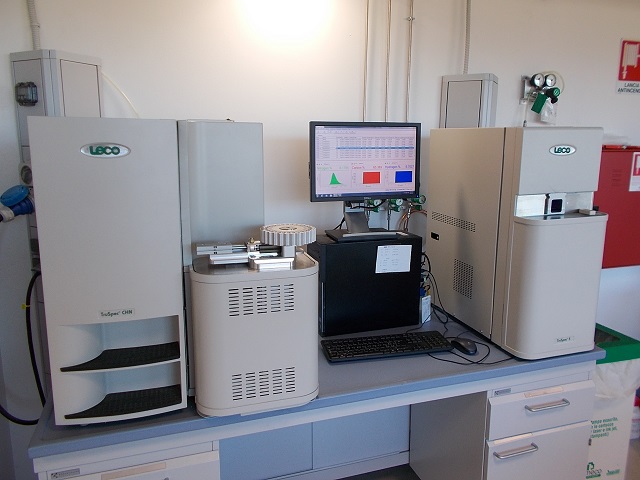
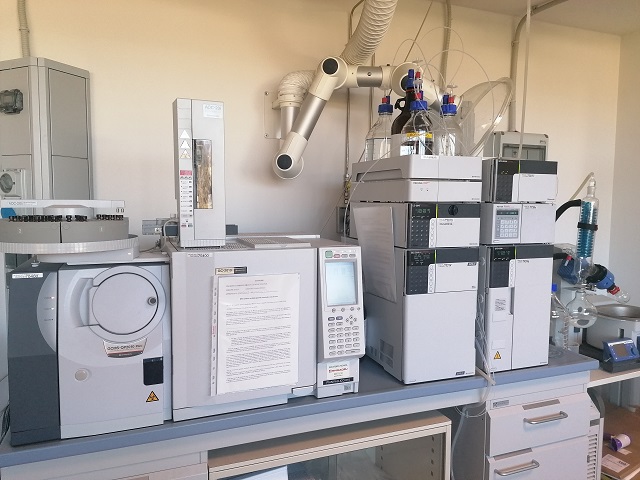
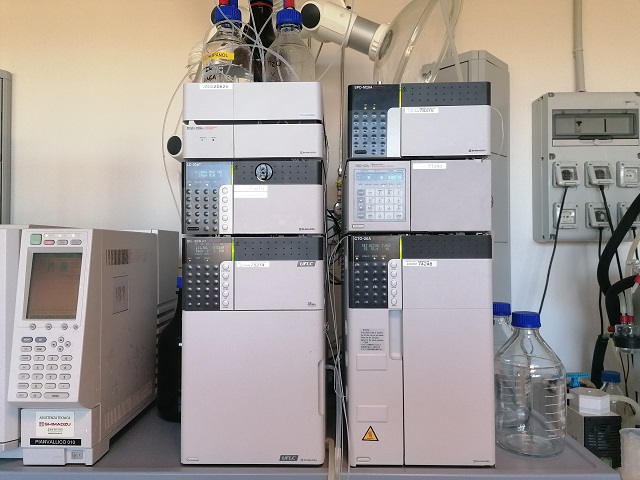
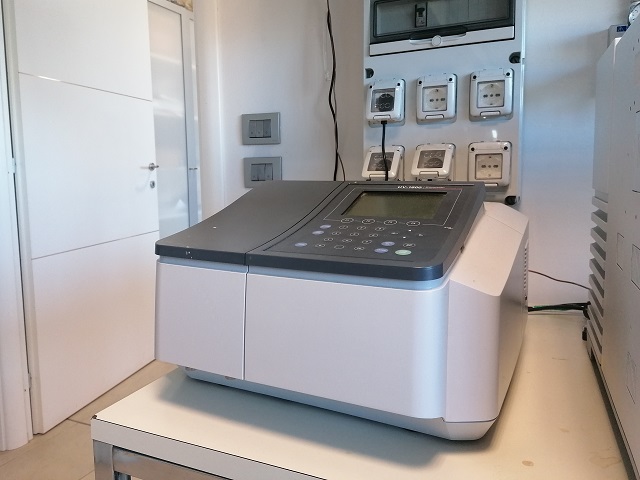
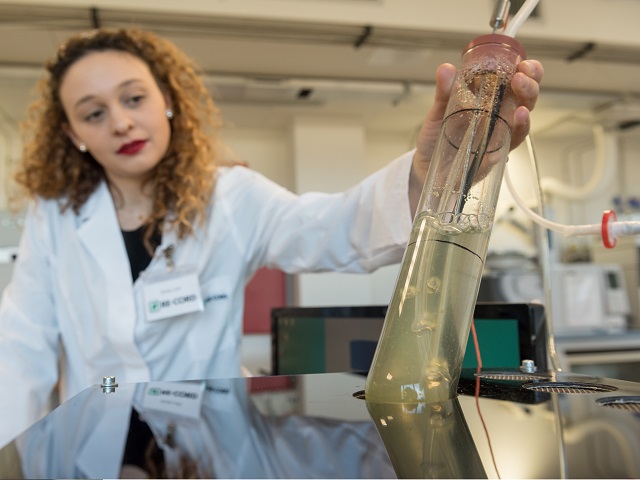
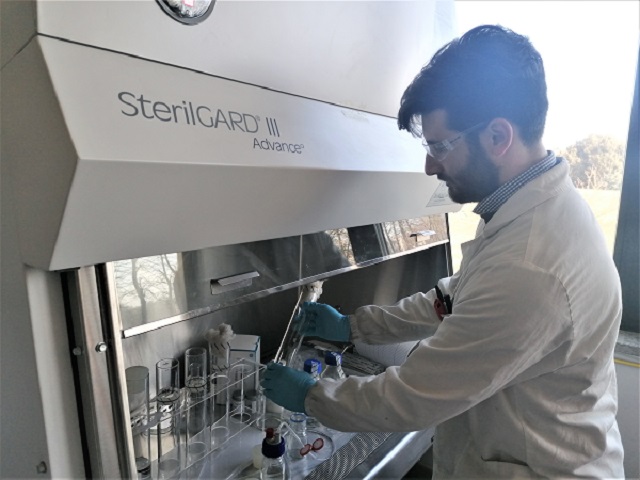
RE-CORD analytical laboratory was founded in 2011 to support RE-CORD research in the field of biomass and bioenergy.
In these years the laboratory has gained an extensive expertise and has become a reference point in the field of bioeconomy and green chemistry.
Today the laboratory supports the research activity of RE-CORD group and its partners in many international projects. At the same time it takes advantage of both its expertise and its innovative equipment to offer high quality services to many industrial actors.
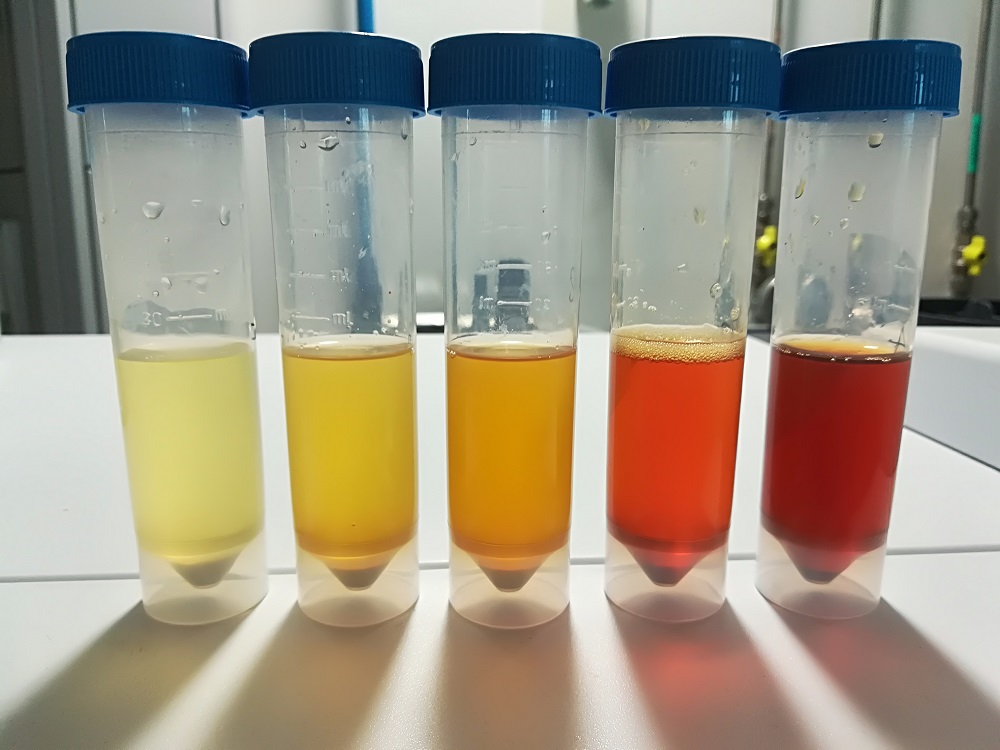
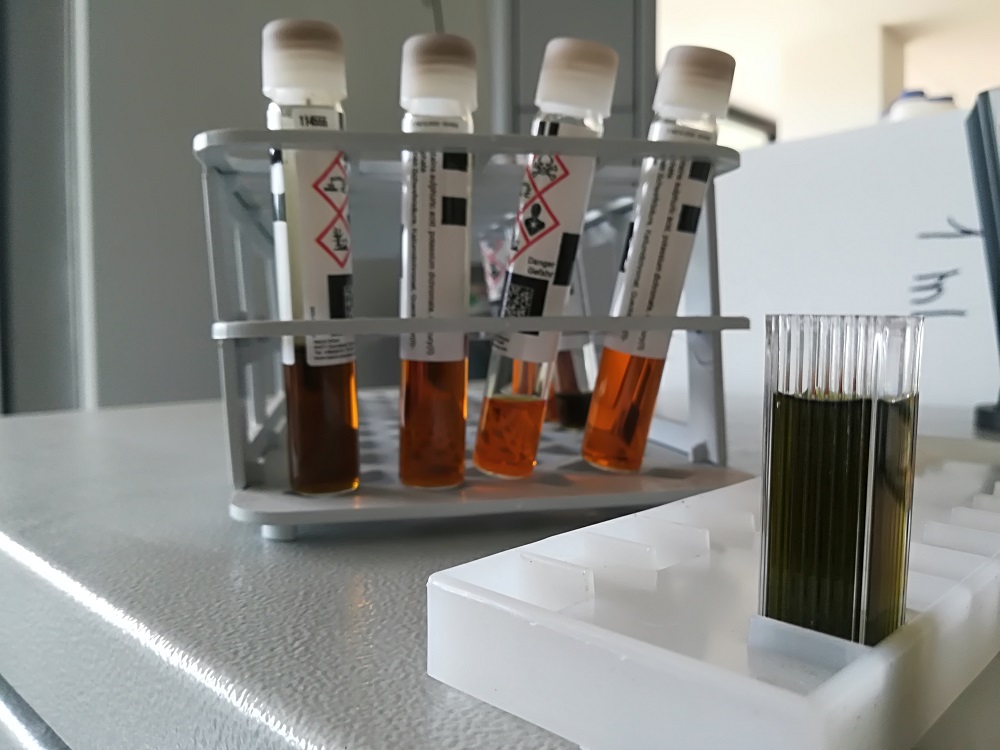
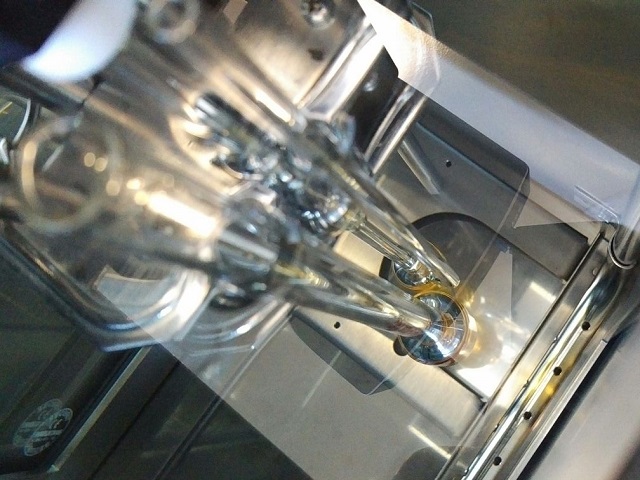
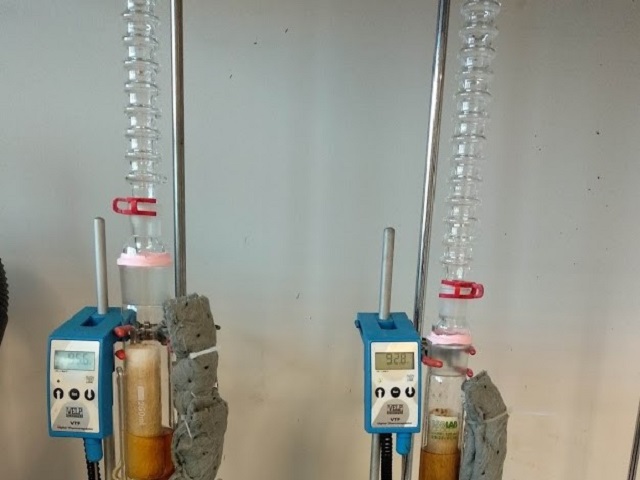
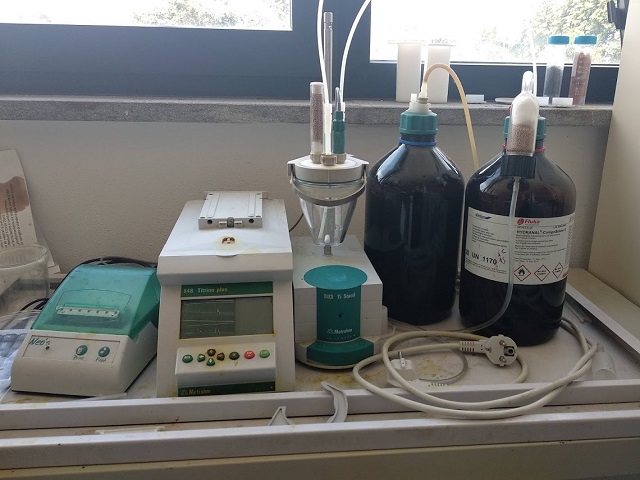
RE-CORD analytical laboratory performs a wide range of physical and chemical analysis in compliance with the main European and International standards on a large variety of materials.
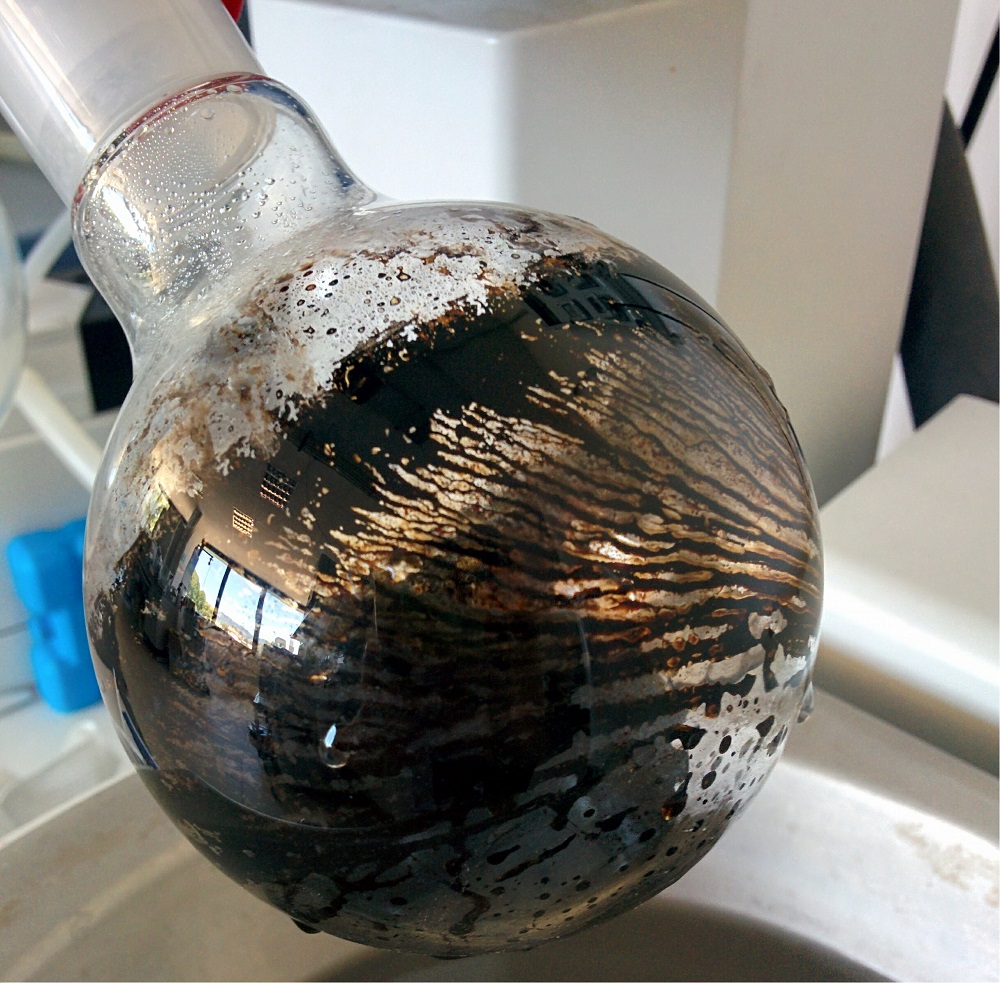
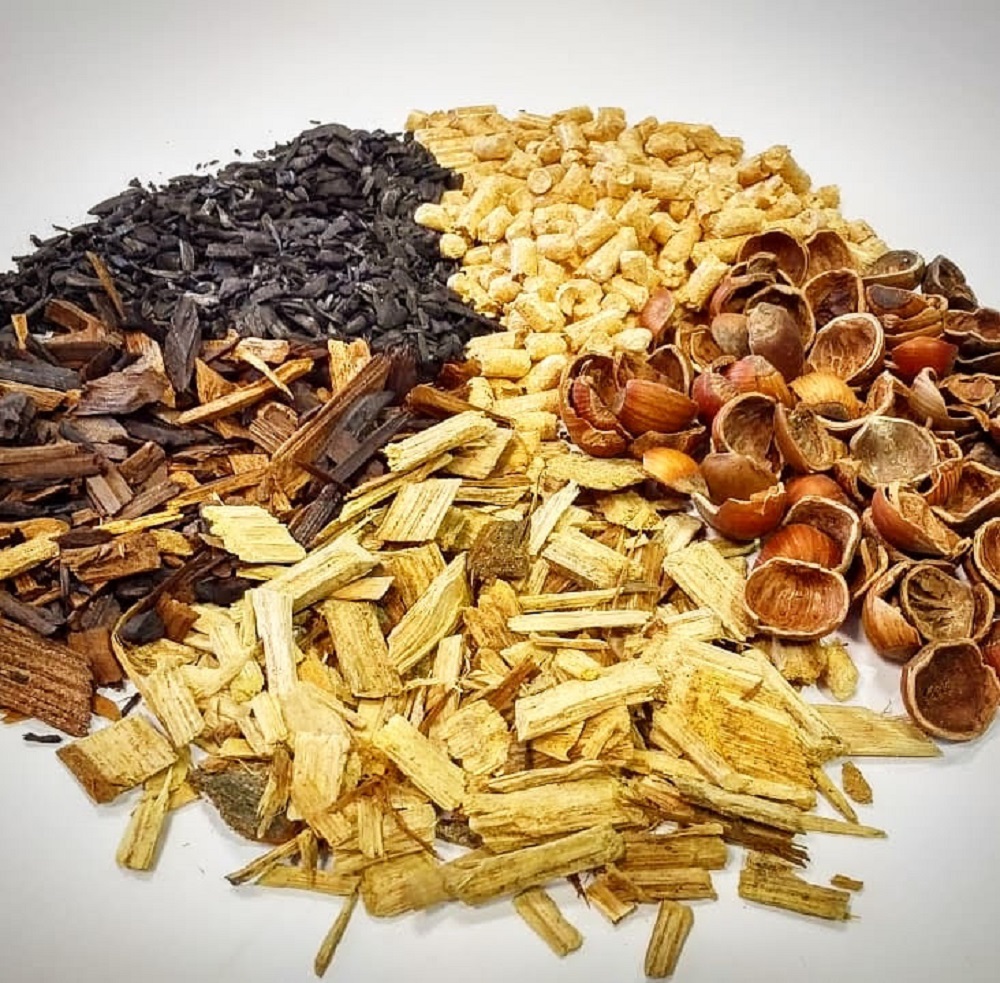
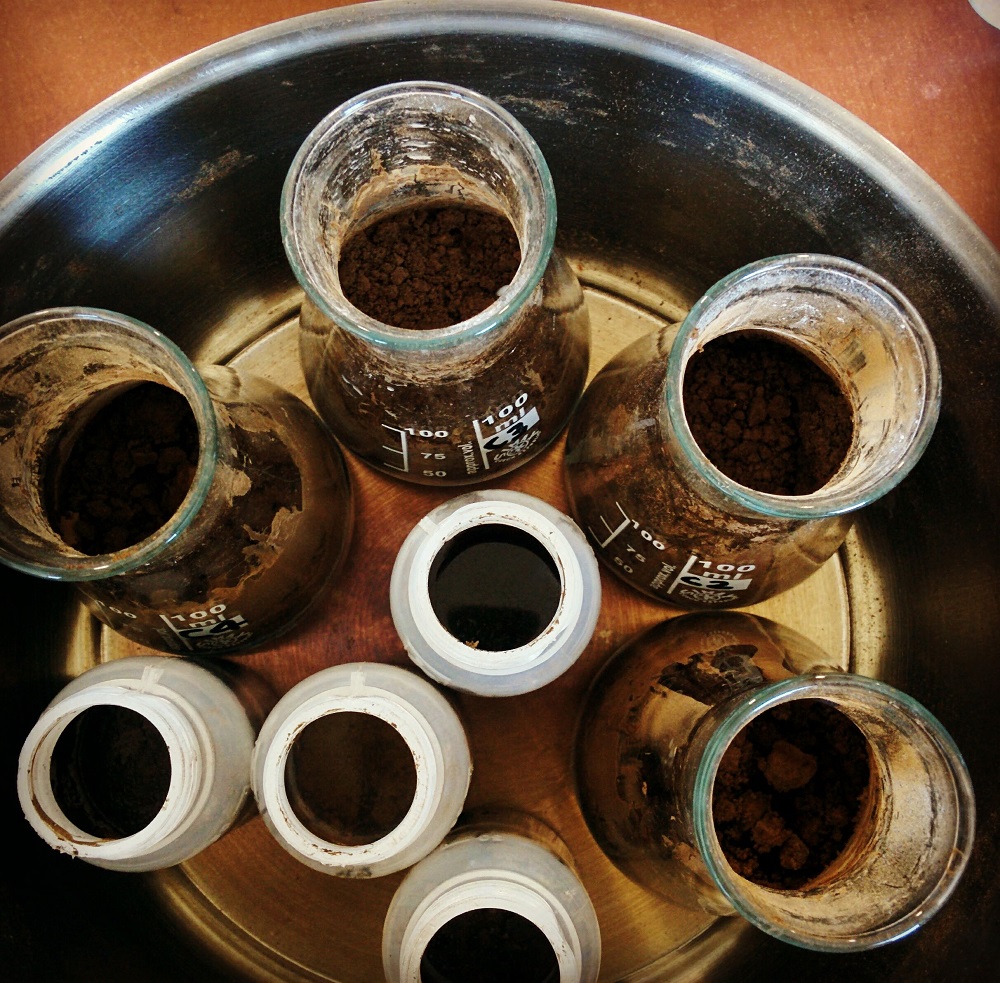
The laboratory has a large experience with solid and liquid biofuels, such as woodchips, pellets, briquettes, olive husk, sawdust, coal, vegetable oils, biodiesel, bioethanol, but also pyrolysis oils, tar and other products deriving from biological and thermo-chemical processes such as, used cooking oils, water, wastes and process waters, sludge, compost as well as urban wastes, plastics and polymers, soils improvers and soils.
For each kind of material specific analysis sets are available to allow a full and accurate characterization.
In addition, the analytical expertise combined with the possibility to operate thermo-chemical conversion pilot plants and test beds allows RE-CORD to carry out experimental campaigns to study and assess transformation processes and their products. RE-CORD’s activity involves thermo-chemical conversion processes (pyrolysis, gasification, torrefaction, hydrothermal carbonization and liquefaction, carbon activation) as well as biological processes (anaerobic digestion, microalgae cultivation and biomolecules and microelement extractions) and mechanical treatment systems. The products of all these processes can be fully characterized both to evaluate their use as bioproducts or intermediates for following biorefinery processing and to carry out analytical studies of the process parameters up to assessing the feasibility of specific supply chains.